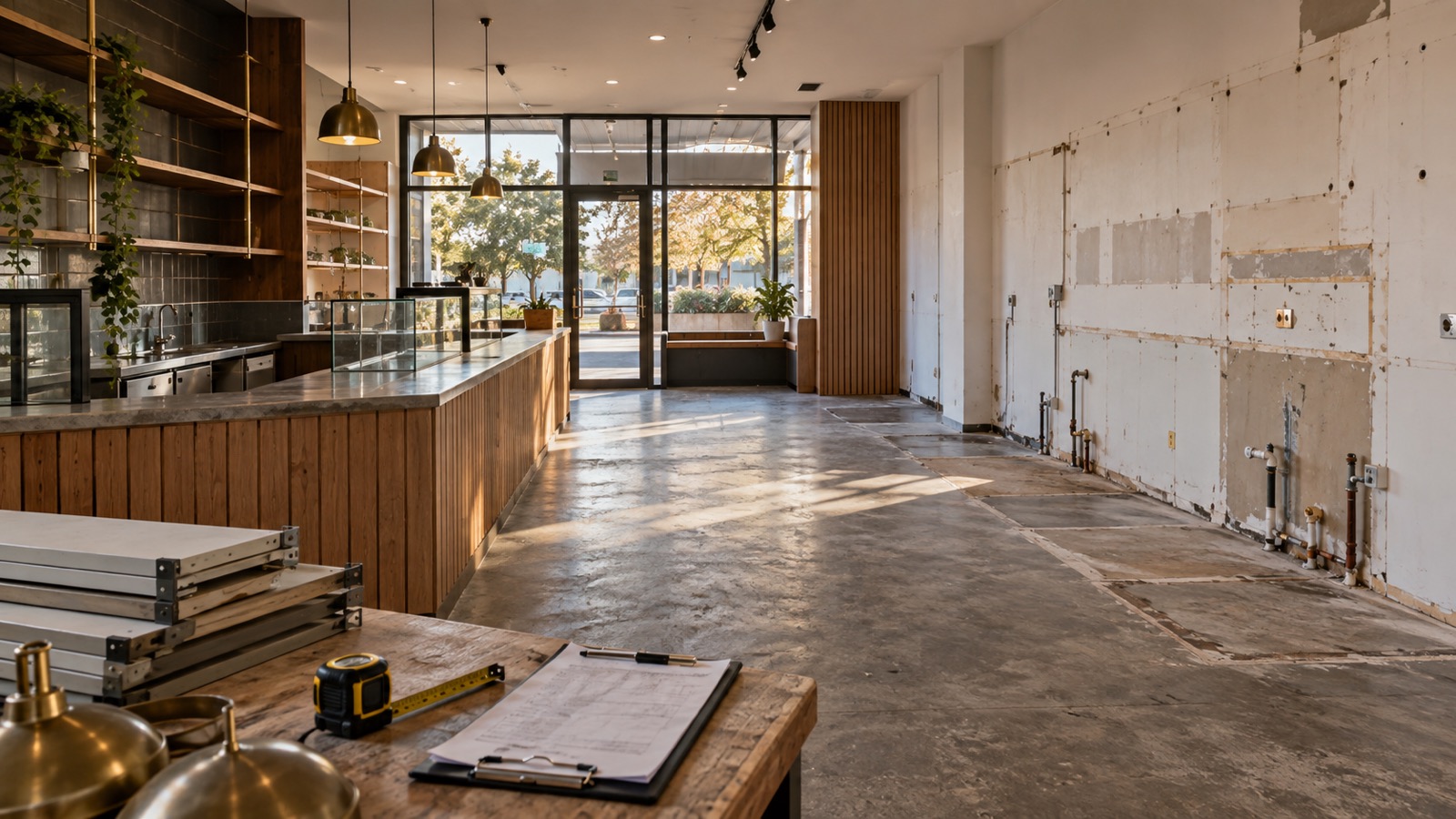
A business buyer should treat lease due diligence as an evidence-matching exercise, not a read-through of one document. Build the complete occupancy record, verify important facts independently, reconcile the cost with the business accounts and make unresolved items explicit conditions of the transaction.
The checklist below is a control list, not a substitute for legal advice. Commercial and retail leasing rules differ by state or territory, and the premises, transaction structure and business activity determine which enquiries matter.
1. Establish the document and status record
Request one indexed lease file containing:
- the signed lease, every variation, renewal, extension, assignment and deed;
- the disclosure statement, plans, fit-out guide, centre rules and relevant side letters;
- rent ledgers, outgoings estimates and reconciliations, incentive records, notices and correspondence about breaches or disputes;
- details of bonds, bank guarantees, personal guarantees and any security held; and
- any title, registered-lease or dealing references relevant to the occupancy.
Prepare a one-page abstract recording the parties, exact premises, commencement and expiry dates, options and exercise deadlines, rent, review method, outgoings, permitted use, security and current document status. Reconcile the abstract to original executed documents and obtain a current title or registry search where your lawyer considers it relevant. In NSW, for example, title records can show registered interests such as leases and easements (NSW Land Registry Services).
2. Reconstruct the occupancy economics
Do not stop at the current monthly rent. Build a schedule covering the remaining term and each option period:
- base rent, GST and fixed, CPI or market reviews;
- turnover rent, promotion levies and operating-hour costs, if applicable;
- every outgoing and the allocation method, using estimates, reconciliations and supporting invoices;
- incentives, rent-free periods, abatements or landlord contributions, including separate deeds;
- utilities, insurance, cleaning, security, waste, parking and other premises costs; and
- security, fit-out, repair, compliance and end-of-term cash exposure.
Match payments to the rent ledger, bank records and profit and loss accounts. Separate temporary concessions and incentives from the recurring cost a buyer will inherit. NSW guidance notes that rent is only one part of occupancy cost and that outgoings, fit-out, insurance and make-good can also be material (NSW Small Business Commissioner).
3. Verify tenure and operating rights
Record the remaining fixed term without assuming an option will be exercised or a new lease granted. Then verify the rights the business actually relies on:
- access, loading, storage, parking, signage and use of common areas;
- exclusivity or protection from competing uses, if any;
- trading hours, access restrictions and closure obligations;
- alteration, equipment, subletting and licensing rights; and
- relocation, redevelopment, demolition or early-termination provisions.
Compare the secure tenure with the buyer’s investment horizon, finance period and planned capital expenditure. A profitable operation may still be a poor acquisition if the buyer cannot demonstrate sufficient, usable occupancy runway.
4. Test permitted use and compliance
Compare three things: the lease’s permitted use, what the seller actually does and what the buyer plans to do. Then verify current planning, building, occupancy, signage, industry and local approvals with the issuing authority rather than relying only on copies supplied by the seller.
Government guidance says licence and permit requirements depend on the activity, state or territory and local government area (business.gov.au). Local councils can also confirm zoning and permits required to use or fit out premises (business.gov.au). For retail premises, confirm with a lawyer whether the relevant retail leasing legislation applies; NSW and Victorian guidance both emphasise checking permitted use and council approvals (NSW Small Business Commissioner; Victorian Small Business Commission).
5. Inspect physical obligations
Walk the premises with the lease plan, condition report and asset register. Identify what belongs to the landlord, seller or a financier, and who must repair or replace the roof, structure, air conditioning, essential services, plant and fit-out.
Check approvals for existing works; obtain relevant inspection, service and maintenance records; photograph condition; and price material repairs, upgrades and make-good with suitable technical advisers. The Victorian retail-leasing brochure identifies structures, fixtures, landlord-provided plant, works, fit-out and restoration obligations as information a tenant should understand (Victorian Small Business Commission). Do not assume that an installed item is owned outright or may remain indefinitely.
6. Control consent and settlement dependencies
The Australian Government’s acquisition guidance specifically tells buyers to review leases, permits and licences and ask whether the landlord will agree to transfer the lease or require a new one (business.gov.au). Keep that outcome linked to the business purchase rather than on a separate informal track.
Ask the transaction lawyer to convert critical items into documented conditions, deliverables or adjustments. Depending on the deal, the settlement checklist may include an effective assignment or new lease, required landlord and third-party consents, updated guarantees or security, verified approvals, apportionment of rent and outgoings, resolution of arrears or breaches, and delivery of keys, access credentials and premises records.
Use one unresolved-items register
For every material point, record: requirement, source document, independent verification, financial effect, responsible adviser, due date and status. Use four statuses only: verified, conditional, unresolved or unacceptable.
Pause when evidence conflicts, a key approval cannot be confirmed, the economics do not reconcile, physical exposure cannot be priced or settlement can occur without secure occupancy. A seller’s explanation can guide enquiries, but it is not a replacement for an executed document, authority record, invoice, inspection or written professional advice.
When specialist advice is needed
A commercial leasing lawyer should identify the governing law, document status, buyer obligations and required consents. An accountant should reconcile occupancy costs and normalise incentives or temporary concessions. Planning, building, environmental, fire-safety, accessibility, engineering or quantity-surveying advice may be needed where the premises or proposed use creates technical exposure.
Related reading
- Premises and lease considerations
- Taking Over the Seller’s Lease: Acquisition Questions to Resolve
- Inherited Fit-Out and Make-Good Risks When Buying a Business
- How Premises Suitability Can Affect a Business Acquisition
Sources
- Buy an existing business — Australian Government, reviewed 2026-09-27
- Choose your business location — Australian Government, reviewed 2026-09-27
- Register licences and permits — Australian Government, reviewed 2026-09-27
- Retail Tenancy Guide — NSW Small Business Commissioner, reviewed 2026-09-27
- Retail Leases Information Brochure for Tenants — Victorian Small Business Commission, reviewed 2026-09-27
- How to find title information — NSW Land Registry Services, reviewed 2026-09-27
Disclaimer
This article provides general information only. It does not constitute legal, tax, accounting, financial, credit, valuation or other professional advice. Circumstances differ. Obtain advice from appropriately qualified advisers before acting or entering a transaction.